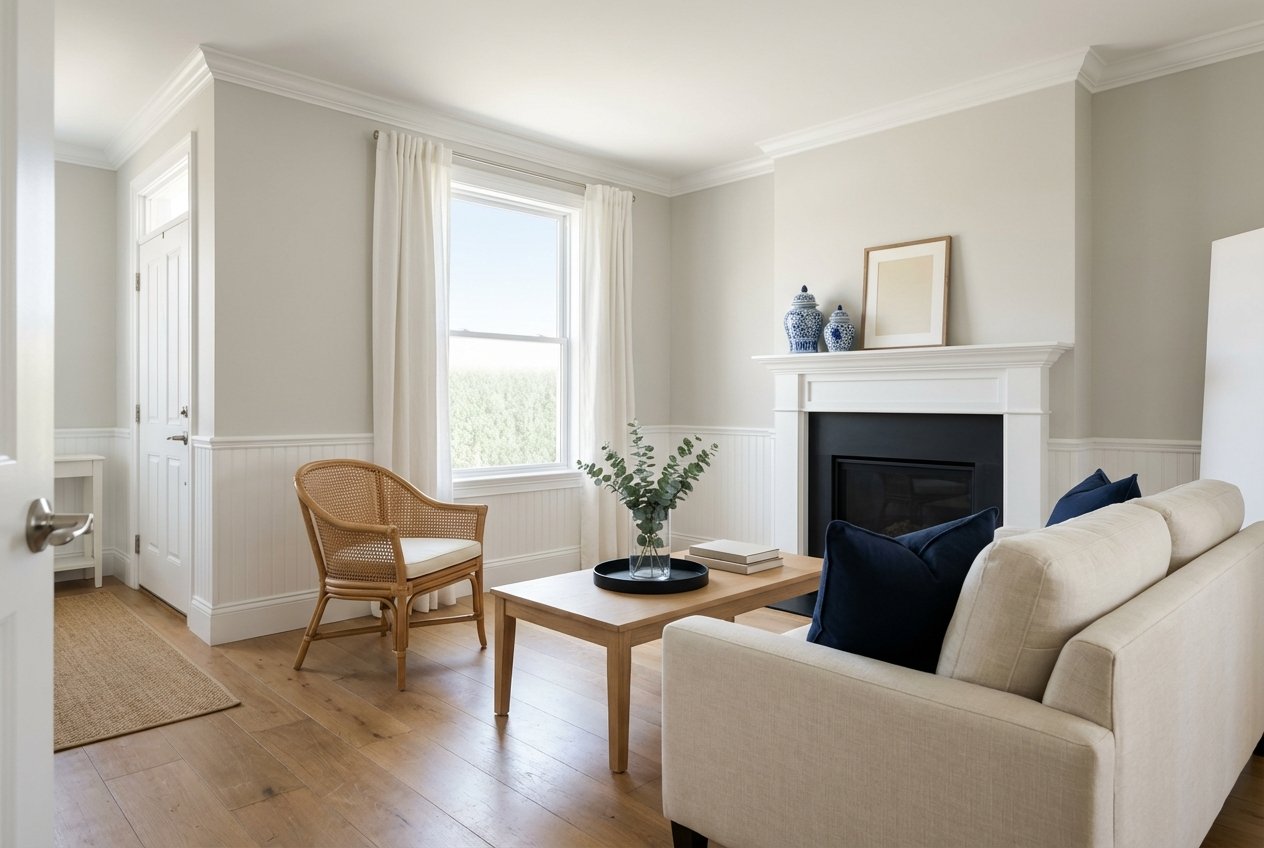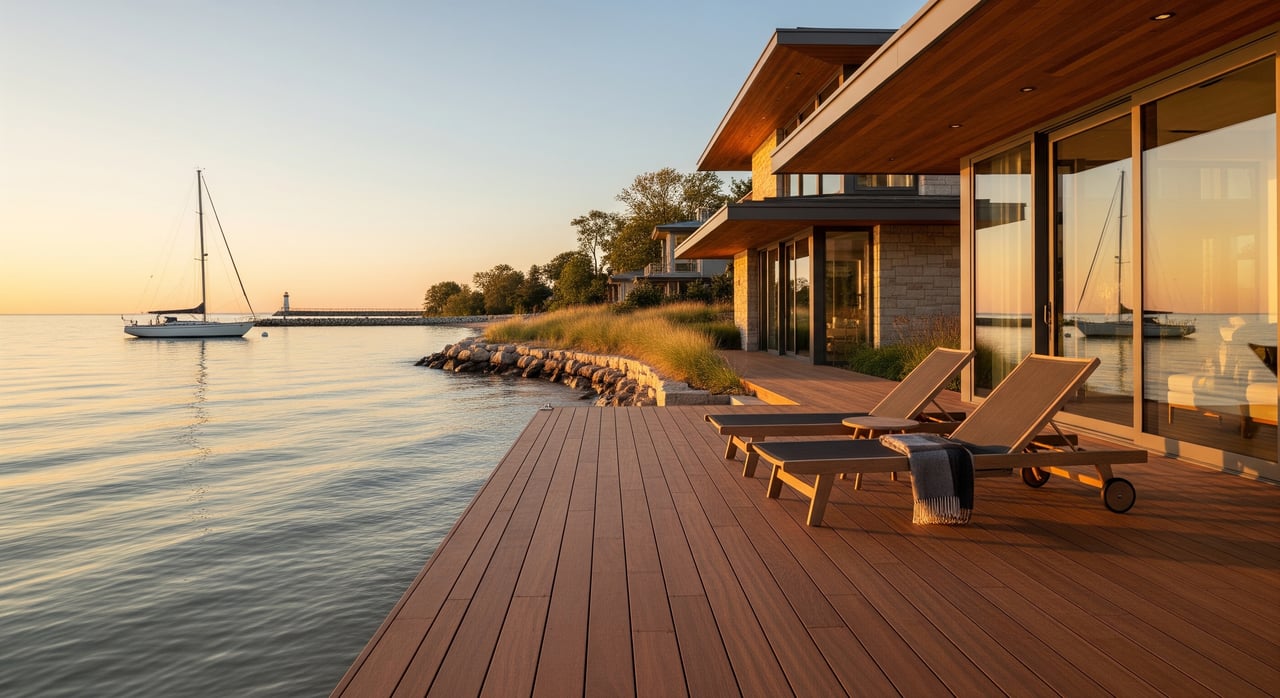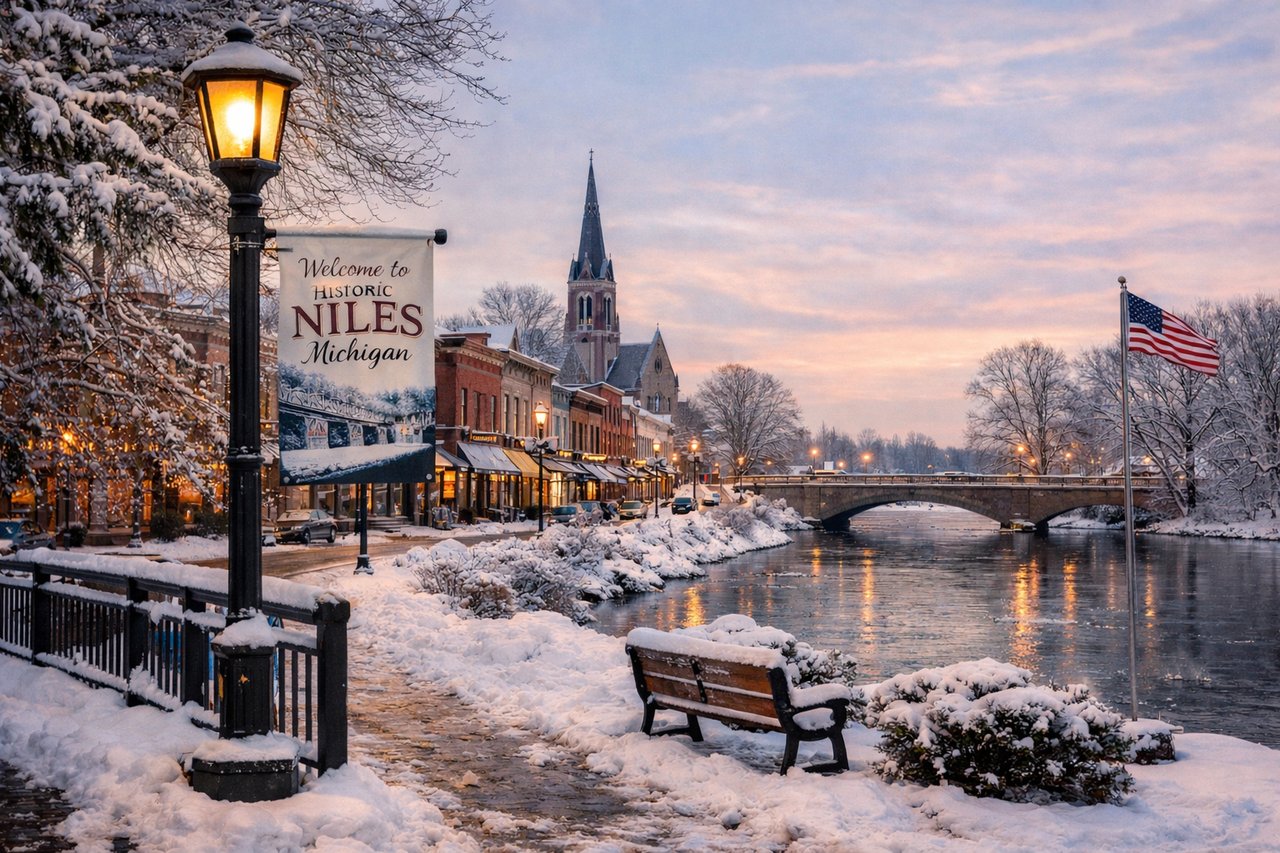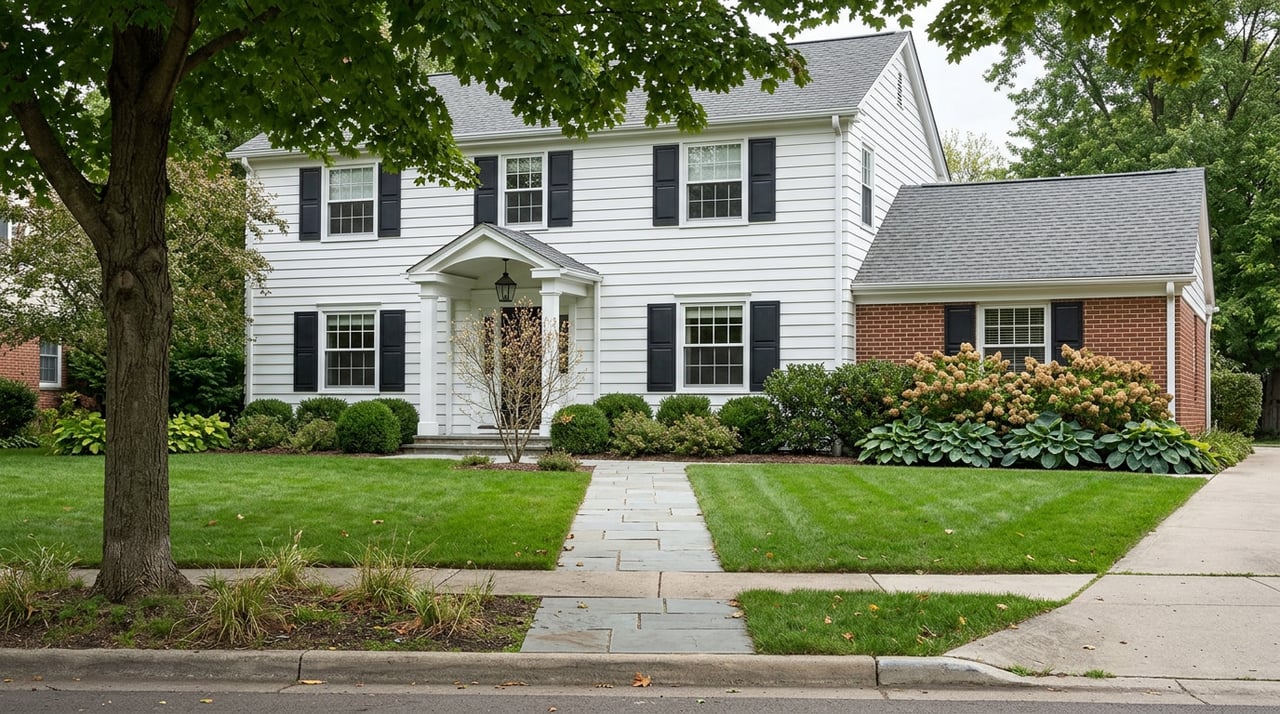
Looking for a creative, Chicago-close escape that still feels like a true getaway? If you love walkable streets, live music, indie cinema, and destination dining, a second home in Three Oaks could be a great fit. You want clarity on costs, rules, financing, and what to expect across the seasons before you buy. This guide gives you the essentials so you can move forward with confidence. Let’s dive in.
Why Three Oaks works for a second home
Easy Chicago access
You can reach Harbor Country, including Three Oaks, in about 1 to 2 hours by car from most Chicago suburbs, traffic permitting. New Buffalo, the nearest Lake Michigan hub to Three Oaks, also has rail access on Michigan routes, which weekenders use often. Check current options and travel tips on the regional visitor page for Three Oaks in Harbor Country and review train service on Amtrak’s Michigan Services.
Walkable arts-and-food core
Three Oaks offers a compact downtown with galleries, independent shops, and performance spaces. You will find live shows at the Acorn, indie films at Vickers Theatre, and popular dining and craft spirits like Journeyman Distillery. This cultural mix gives you a village vibe and a relaxed, creative scene instead of a full-on lakefront resort crowd.
What you can buy in Three Oaks
You will see a wide range of property types in a small area. Options include:
- In-village cottages and bungalows near shops and venues.
- Historic single-family homes with early 20th-century character.
- Adaptive reuse lofts or upper-floor spaces in older buildings.
- Farmhouses and small-acreage homes outside the village core.
- Vacation-oriented rentals closer to Lake Michigan and state parks.
Recent market snapshots show a median sale price around $335,000. Entry cottages often start in the low-to-mid $200,000s, with distinctive conversions and acreage properties reaching into the mid-$400,000s and higher depending on land and upgrades. Always confirm current pricing before you tour.
Utilities and systems to verify
Inside the Village of Three Oaks, many homes are on municipal water and sewer. In outlying township or rural locations, private wells and septic systems are common. This difference affects maintenance, inspections, and some insurance considerations. Before you make an offer, verify utility type and service location through the Village water and sewer page and your agent’s due diligence.
Seasons, upkeep, and peace of mind
Southwest Michigan has warm summers and cold, snowy winters. July is typically the warmest month and January the coldest, with measurable snowfall in winter for the Benton Harbor area. Review average patterns for planning on this climate overview.
Smart seasonal steps for second-home owners:
- Winterization basics: insulate exposed pipes, service furnaces or boilers, and set an automatic thermostat for unoccupied periods. Consider a smart thermostat or remote monitoring.
- Snow and access: rural drives may need a plow plan. Confirm which roads are municipally plowed and where private service is needed.
- Moisture control: evaluate basements, sump pumps, grading, and dehumidification to manage humidity. Ask for mold checks during inspections.
- Exterior care: after winter, check gutters, flashing, and tree limbs. Budget for off-season maintenance and summer prep.
Short-term rentals: permits and caps
If you plan to offset costs with short-term rentals, learn the rules first. The Village of Three Oaks requires registration, permitting, and inspections before you advertise. Start with the Village short-term rental portal for applications and status.
Key points from the ordinance:
- You must register and pass inspections before operating, and permits are renewed annually. See the core requirements in Ordinance 210.
- A local agent is required. The agent must be within 45 miles and authorized to respond to complaints.
- Safety items include smoke and CO alarms, fire extinguishers, and posting permit and occupancy rules inside the rental.
- There is a density cap in the R-1 Single Family district. Under Ordinance 228, permits cannot exceed 10% of developed parcels in R-1, which can create a waitlist.
What this means for you: verify whether a specific address already has a permit, confirm the zoning district, and check the waitlist risk before you count on rental income.
Financing: second home vs investment
Lenders classify occupancy as primary, second home, or investment. Fannie Mae defines a second home as a one-unit property you occupy for part of the year, suitable for year-round use, and not under a rental pool or management agreement. Review the occupancy definitions in Fannie Mae’s guide.
What to expect when you finance:
- Down payment: many lenders accept around 10% down for well-qualified second-home borrowers, but some require 15 to 20%. Jumbo loans often need more.
- Reserves: expect to document cash reserves when you already carry another mortgage. Requirements vary by lender and loan size.
- Rental use: if you intend to rely on short-term rental income, your lender may classify the loan as an investment, which often means higher rates and different limits.
The bottom line: get preapproved for the occupancy you intend. Share your plans early so your lender can price the loan correctly.
Taxes and assessments in Michigan
Michigan uses State Equalized Value (SEV) at about 50% of market value, and a separate taxable value for calculating the bill. Taxable value is capped for annual increases, then uncaps when ownership changes. Local millage rates determine the final amount due. Learn how SEV works from this overview and review timing and procedures through Berrien County’s FAQs.
Nearby Harbor Country towns to compare
- New Buffalo: closest full-service beach and marina town with quick access and Amtrak’s Michigan Services. Good for buyers who prioritize easy rail or highway connections.
- Union Pier, Lakeside, Harbert, Sawyer: quieter beach neighborhoods with tasting rooms and wineries, plus Warren Dunes State Park a short drive north.
- St. Joseph and Benton Harbor: larger communities with hospitals and year-round amenities, useful if you want more infrastructure nearby.
Quick buyer checklist
- Visit in summer and a shoulder or winter season to test the drive, parking, and off-season feel.
- Verify utilities: is the property inside the Village on municipal water and sewer, or on well and septic? Use the Village water and sewer page for context.
- If STR is part of your plan: confirm current permit status, zoning, and whether the R-1 cap or a waitlist applies using the STR portal and Ordinance 228.
- Financing: secure a preapproval that matches second-home or investment use and ask your lender about reserves and rental-income treatment.
- Insurance: request quotes early, especially for properties near the lake or with well and septic systems.
- Local support: line up seasonal maintenance plans for winterization, snow removal, HVAC, and sump systems.
Ready to explore Three Oaks?
If you are weighing a second home in Harbor Country, you deserve local insight, clear guidance on rules, and fast access to listings. The Jason Stroud Team pairs deep Southwest Michigan knowledge with modern MLS tools so you can compare neighborhoods, set smart budgets, and move at the right speed. Reach out for a friendly strategy call and a custom search tailored to how you plan to use your second home.
FAQs
Can I operate an Airbnb at a Three Oaks home I buy?
- Possibly, but you must register, obtain a permit, and pass inspections, and there is a permit cap in the R-1 district. Always verify permit status and zoning before you buy.
How long is the trip from Chicago to Three Oaks?
- The drive to Harbor Country is typically 1 to 2 hours depending on traffic, and New Buffalo offers Amtrak service that weekenders use for flexible access.
Do lenders treat a second home like a primary residence?
- No. Lenders use different rules and pricing for primary, second-home, and investment loans, so get preapproved for the occupancy you plan and discuss any rental use upfront.
What seasonal prep should I plan for a second home in Southwest Michigan?
- Budget for winterization, snow removal, HVAC service, and moisture control. Remote thermostats and monitoring add peace of mind when the home is vacant.