Looking at commercial property in downtown Buchanan and wondering whether a small historic market can still offer real opportunity? That is a smart question, especially if you want a location where public investment, walkable character, and mixed-use flexibility matter more than scale alone. If you are exploring your next acquisition in Berrien County, this overview will help you understand what downtown Buchanan offers, what to watch closely, and how to think about fit before you buy. Let’s dive in.
Downtown Buchanan at a Glance
Downtown Buchanan is the city’s historic commercial, civic, and cultural center, and it is listed on the National Register of Historic Places. The city describes it as a three-block central business district anchored by the Union Block and Mill Alley, with buildings dating from the 1840s through the 1960s.
For investors, that means you are not looking at a large-format suburban commercial corridor. You are looking at a compact downtown where building character, pedestrian appeal, and use compatibility can shape value just as much as square footage or frontage.
Why Buchanan Draws Investor Interest
Buchanan is a small market, but the local fundamentals tell an important story. The city draft master plan review uses 2023 ACS estimates showing a population of 4,259, a median age of 32.9, and median household income of $54,068. The same draft plan shows manufacturing as the largest employment sector at 32.6%, followed by retail trade at 19.2% and arts, entertainment, accommodation, and food services at 11.0%.
That mix points to a local customer base that may support convenience-oriented retail, lunch-focused food uses, and smaller office or service spaces. It also suggests investors should think in practical, right-sized terms rather than assume demand for large footprints or highly specialized concepts.
Downtown Zoning Shapes the Opportunity
Buchanan adopted a new Unified Development Code in December 2025, replacing the prior zoning ordinance and incorporating sign regulations. In the current Downtown district, the city calls for higher-density mixed-use buildings that can accommodate retail, offices, and apartments.
The district boundaries center on Front Street, Red Bud Trail, Main Street, and Days Avenue. If you are reviewing a property in or near this core, zoning is not just a background item. It is one of the first things to confirm because the city’s code clearly favors active, street-facing commercial environments.
Uses That Fit Downtown
The Downtown district use matrix accommodates:
- Office uses
- Retail uses
- Service uses
- Food-and-beverage uses
This creates flexibility for investors looking at storefront leasing, mixed-use repositioning, or upper-floor conversion strategies. It also supports the idea that downtown Buchanan works best when buildings contribute to an active main-street setting.
Building Form Matters
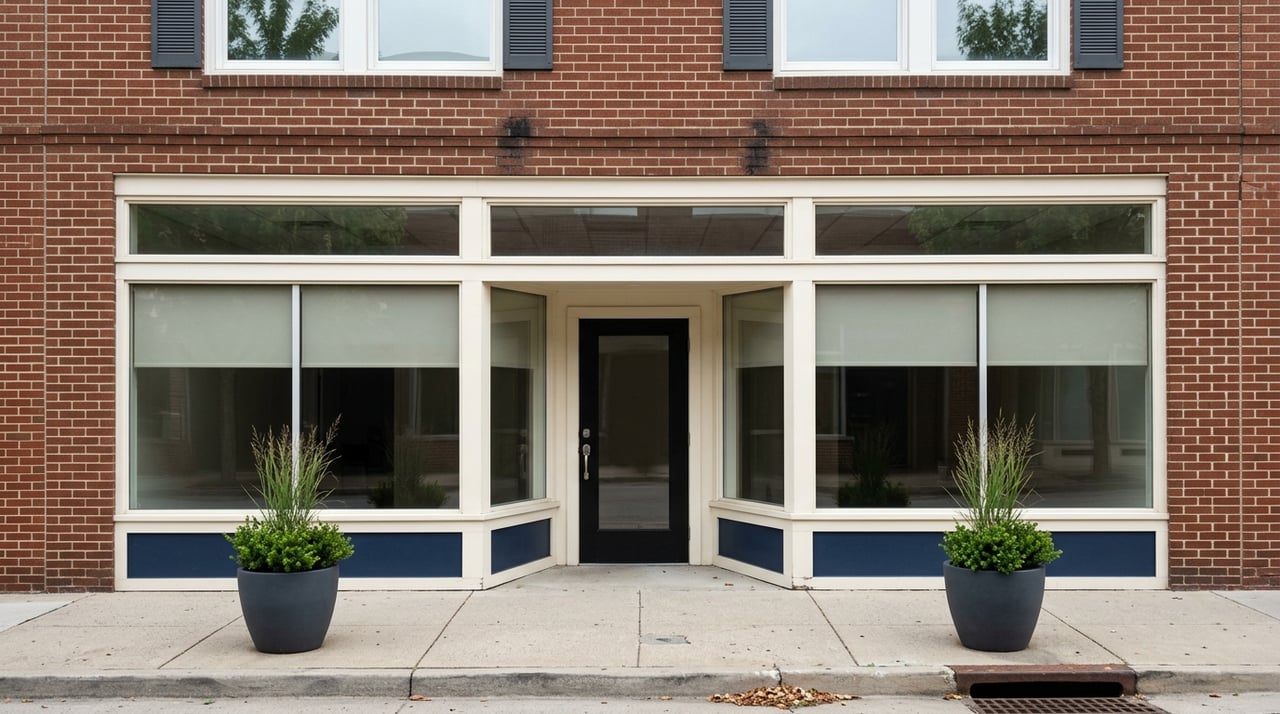
The code requires active street frontage, substantial glazing, and frequent entries. In plain terms, downtown buildings are expected to engage the sidewalk and support a walkable business district.
That is important if you are considering renovations. A plan that ignores storefront visibility, entry rhythm, or pedestrian appeal may be less aligned with what the city wants to see in the district.
Typical Property Types to Expect
In downtown Buchanan, the opportunity set is more likely to include older commercial buildings, mixed-use structures, and adaptive-reuse candidates than newer pad-site development. Based on the city’s downtown code and historic building inventory, investors may find value in properties with storefront space on the ground floor and office or residential potential above.
That kind of inventory can work well for buyers who understand repositioning. It can also reward thoughtful underwriting, since façade condition, layout efficiency, and renovation scope may have a major effect on both approval paths and future leasing potential.
Historic Standards Can Affect Your Plan
Buchanan’s published downtown design standards emphasize historic compatibility in materials, massing, doors, windows, and signage. For exterior aesthetic work in the Central Business District, owners must submit façade plans for review by the Design Review Committee.
This is more than a design preference. If a proposal does not conform, it can be rejected and disqualified from city or Downtown Development Authority incentives. That makes exterior work a key due diligence item for any investor planning upgrades.
Exterior Work to Review Carefully
Before acquisition, pay close attention to items such as:
- Window replacement plans
- Storefront restoration needs
- Signage updates
- Awnings and entry details
- Masonry or façade repair scope
In many downtowns, these details affect curb appeal. In Buchanan, they can also affect approvals and access to local support tools.
Foot Traffic and Activity Drivers
A compact downtown works best when there are real reasons for people to visit regularly. Buchanan has several public-facing anchors that support repeat activity in and around downtown.
The Common is an outdoor amphitheatre in the heart of downtown that hosts summer concerts and noon-hour performances. Pears Mill is a restored flour and grist mill with free admission and seasonal hours. Tin Shop Theatre has hosted more than 100 productions, and the McCoy’s Creek Trail is a four-mile non-motorized shared-use path that runs to the Buchanan Farmers Market and includes access points, decks, exercise stations, and fishing spots.
For an investor, those assets matter because they help create steady visitation patterns. They do not guarantee tenancy, but they can support businesses that benefit from event traffic, walk-in visibility, and a stronger sense of place.
Public Investment Is a Real Factor
Buchanan’s city and DDA are actively supporting downtown activity and appearance. The 2026 DDA update prioritizes downtown marketing and wayfinding, public-space operations, Tin Shop Theatre, Pears Mill, the Farmers Market, façade grants and loans, and special community events.
On top of that, the state awarded Buchanan $1 million in 2025 for the Downtown Infrastructure and Placemaking Initiative. That funding is intended to widen sidewalks, add amenities, improve community branding, and strengthen the sense of place.
For investors, this is a meaningful signal. It suggests that downtown Buchanan is not standing still, and that public-sector efforts are focused on making the district more functional and inviting over time.
Food, Beverage, and Hospitality Potential
The city has created a permitting path for sidewalk cafes and outdoor service areas in downtown zoning districts. That can be a useful advantage for restaurant and hospitality-oriented operators who want outdoor seating or more visible street activation.
If you are underwriting a property for food-and-beverage use, this is worth noting early. Outdoor service options can influence tenant interest, layout planning, and revenue assumptions for the right building.
Infrastructure Work Can Change Timing
Investors should also account for ongoing downtown reconstruction impacts. The project includes sanitary sewer, storm sewer, and water-main improvements.
That kind of infrastructure work may improve long-term function, but it can also create near-term disruption. Access changes, construction timing, and tenant improvement scheduling should be part of your acquisition and leasing plan if the property is close to affected areas.
What to Evaluate Before You Buy
A good downtown Buchanan acquisition starts with discipline. In a market like this, success often comes from matching the right building to the right use instead of forcing a concept that does not fit the district.
Here are the main items to evaluate.
Confirm Use Fit First
Start by checking whether the property can function as storefront, office, service, or food-and-beverage space under the Downtown district rules. Then consider whether your proposed tenant mix supports the city’s preference for active street-front buildings.
A technically allowed use is only part of the picture. The stronger question is whether the use fits the building, the block, and the downtown pattern the city is trying to reinforce.
Review the Façade and Envelope
Older downtown buildings can offer character and flexibility, but they can also require more planning. Since Buchanan emphasizes historic compatibility and requires façade-plan review for exterior aesthetic work in the Central Business District, your exterior scope deserves a close look.
This includes not only visible storefront items, but also how much time and capital may be needed to bring the property into alignment with design expectations.
Study Parking and Circulation
Parking matters in every commercial deal, but Buchanan’s code offers some flexibility. Shared parking is allowed between two or more uses within one block or about 500 feet.
That can improve the economics of smaller-lot and mixed-use properties. You should also check how loading and refuse areas are handled, since the code requires screening from adjacent streets or residential uses.
Look for Local Support Tools
Buchanan’s current forms include a vacant and under-utilized building activation application. The DDA update also includes façade grants or loans and event support.
That suggests the city is working to reduce vacancy and help underused properties return to productive use. While incentives should not replace solid underwriting, they can improve a repositioning strategy when the property and project align.
The Big Takeaway for Investors
Downtown Buchanan appears to be a small, policy-supported historic core where thoughtful execution matters more than scale. The opportunity is not about large redevelopment plays. It is about choosing a building with the right bones, understanding the code, respecting design standards, and aligning your use with the district’s walkable, mixed-use character.
For investors who like local-market detail, adaptive reuse, and practical commercial plays in Berrien County, Buchanan deserves a closer look. The right property may offer a compelling mix of historic identity, public investment, and flexible downtown use potential.
If you want local insight on Buchanan commercial opportunities, mixed-use buildings, or investment property strategy in Southwest Michigan, the Jason Stroud Team is here to help you evaluate the market with clarity and confidence.
FAQs
What kind of commercial properties are common in downtown Buchanan?
- Downtown Buchanan is most associated with older commercial buildings, storefronts, mixed-use properties, and adaptive-reuse opportunities within its historic core.
What zoning should investors understand in downtown Buchanan?
- Investors should closely review the Downtown district in Buchanan’s Unified Development Code, which is designed for higher-density mixed-use buildings that can accommodate retail, offices, and apartments.
What uses are allowed in downtown Buchanan commercial buildings?
- The Downtown district accommodates office, retail, service, and food-and-beverage uses, subject to the city’s code and property-specific conditions.
What design rules affect downtown Buchanan investments?
- Exterior aesthetic work in the Central Business District requires façade-plan review, and the city’s downtown design standards emphasize historic compatibility in materials, massing, doors, windows, and signage.
What public investments are supporting downtown Buchanan?
- The city and DDA are supporting downtown through marketing, wayfinding, façade grants or loans, public-space operations, community events, and a 2025 state placemaking award intended to widen sidewalks and add amenities.
What should investors watch during downtown Buchanan due diligence?
- Key items include zoning fit, tenant-use alignment, façade and exterior scope, parking options, screening requirements for loading or refuse areas, and the timing impact of downtown utility and infrastructure work.