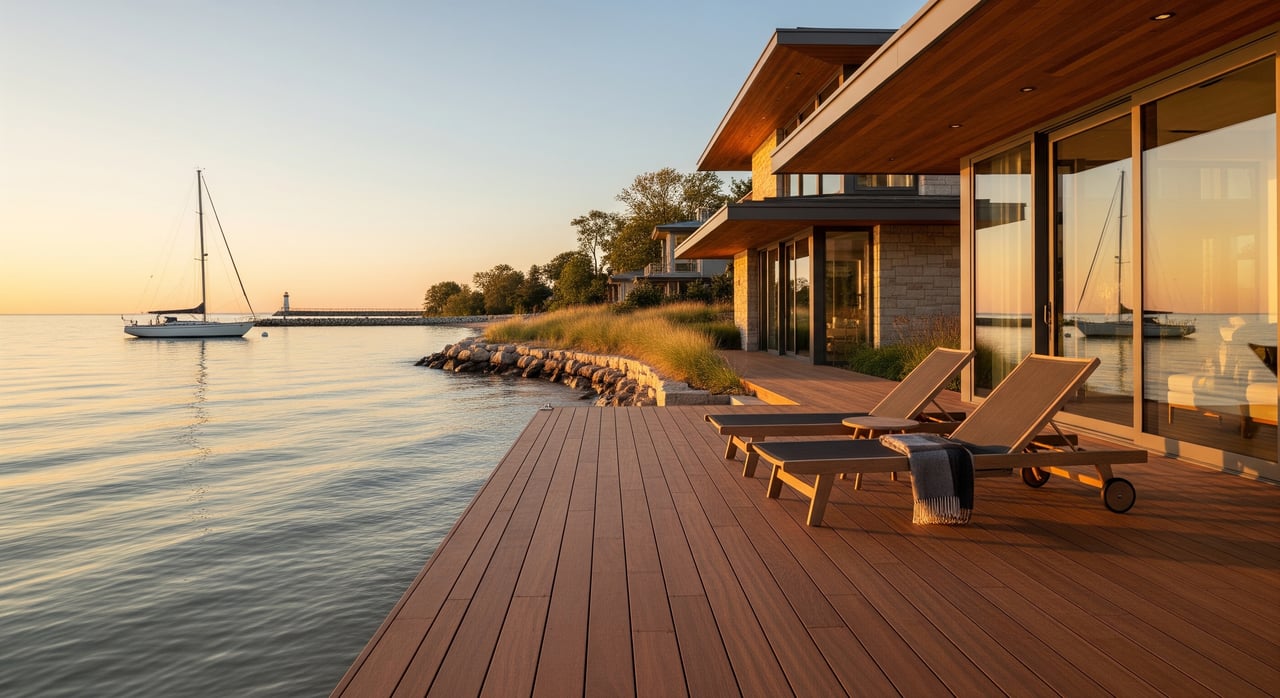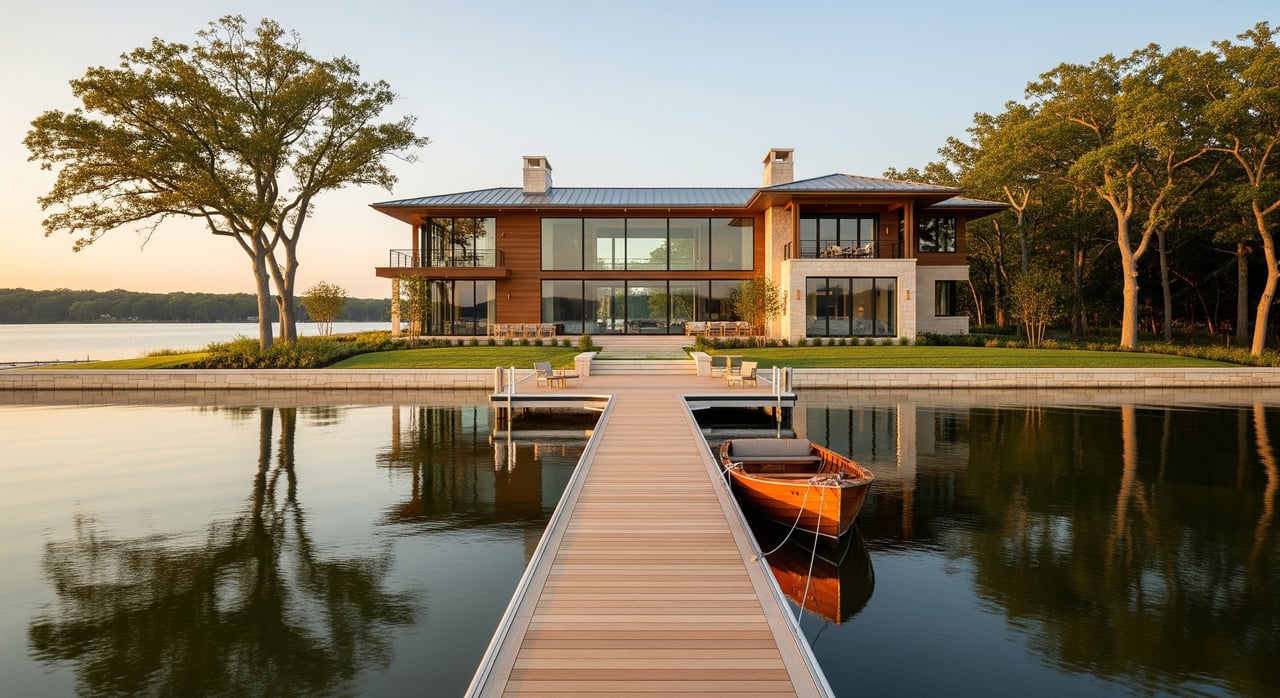
Eyeing a lake home near Three Oaks and wondering if your mortgage will be jumbo or conventional? Waterfront prices in Berrien County can push loan amounts higher, and your financing choice can affect approval, timeline, and total cost. In this guide, you will learn how to check the county limit, what lenders look for on lake properties, the key differences between jumbo and conventional loans for second homes, and smart offer strategies. Let’s dive in.
Jumbo vs. conventional basics
What makes a loan jumbo
A loan is considered conforming when the loan amount is at or below the county limit set each year by the Federal Housing Finance Agency. Conforming loans can be purchased by Fannie Mae and Freddie Mac and follow their standardized rules. A jumbo loan exceeds the county’s conforming limit and is underwritten to lender or portfolio guidelines that vary by institution.
You can confirm the current county limit using the FHFA’s official resource. Check the most recent limits on the FHFA conforming loan limits page. Use the FHFA conforming loan limits tool before you shop.
Why this matters in Three Oaks
Lakefront homes often sell at a premium. Even a modestly updated waterfront property may push your loan amount above the conforming cap. Once that happens, the loan will be treated as jumbo, which can mean higher down payment, stronger credit and reserve requirements, and more documentation.
How to check your loan type in Three Oaks
Simple steps to confirm
- Verify the current Berrien County limit on the FHFA conforming loan limits page.
- Estimate your loan amount. Subtract your planned down payment from the purchase price.
- Compare your loan amount to the county limit. At or below the limit is usually conforming. Above the limit is jumbo.
- If you plan to use seller credits toward closing costs, confirm with your lender how they affect your final loan amount and any program caps.
If you are close to the threshold, ask a lender to run both scenarios. A slightly higher down payment can sometimes keep you under the cap and in conforming territory.
What lake homes add to the equation
Appraisals on waterfront properties
Waterfront appraisals can be more complex because there are fewer recent comparable sales. Appraisers look closely at lake access, view, dock rights, shoreline condition, boathouses, and setbacks. A lender and appraiser who understand Southwest Michigan lake properties can reduce the risk of a low or delayed appraisal. For more on valuation issues unique to waterfront homes, the Appraisal Institute offers guidance.
Flood, wells, and septic
Some lake properties lie in FEMA Special Flood Hazard Areas. If the home is in a mapped flood zone, a federally regulated lender will require flood insurance. You can start with a FEMA Flood Map Service Center search to see flood designations by address.
Many rural lake homes rely on private wells and septic systems. Lenders commonly require evidence that these systems meet local standards and are functioning. Local shoreline rules and riparian rights can also affect value and insurability, so plan time for due diligence.
Occupancy classification matters
How you plan to use the home drives underwriting. Primary residences are usually the most flexible on down payment and reserves. Second homes are allowed under conventional guidelines but often require stronger credit, more reserves, and a larger down payment than a primary. If you intend to rent the property, a lender may classify it as an investment, which carries stricter requirements and pricing.
Underwriting differences to expect
Guidelines vary by lender, but these are common patterns for lake homes in the Three Oaks area. For general education on mortgage basics, see the CFPB’s mortgage guide. For jumbo overviews, see Bankrate’s jumbo loan guide and NerdWallet’s jumbo explainer.
Credit score
- Conforming conventional can allow lower scores, especially for primary residences.
- Jumbo and second home loans usually expect stronger credit. Jumbo lenders often look for 700-plus scores for best terms.
Down payment (LTV)
- Conforming for primary residences can go as low as 3 to 5 percent on some programs.
- Conventional second homes commonly require 10 to 20 percent down depending on profile and lender.
- Jumbo loans often require 20 percent or more. Some scenarios need 25 to 30 percent down.
Debt-to-income ratio (DTI)
- Conforming loans may allow higher DTIs with compensating factors.
- Second homes and jumbo loans may have tighter DTI limits or require stronger offsets like higher reserves or lower LTVs.
Cash reserves
- Conforming primary: often 2 to 6 months of PITI.
- Conventional second home: commonly 6 months of PITI.
- Jumbo: often 6 to 12 months of PITI or more, especially as loan sizes increase or if you have multiple financed properties.
Documentation and product availability
- Conforming loans follow Fannie Mae and Freddie Mac rules with standardized pricing and automated underwriting.
- Jumbo loans are lender specific. Some are sold to investors while others are held in portfolio. Portfolio lenders can be more flexible with unique properties, but terms and pricing vary.
- Self-employed or complex income borrowers should expect more documentation on jumbo loans.
Rates, fees, and insurance
- Jumbo rates may be slightly higher than conforming, though markets change. Points and fees vary more across lenders on jumbo products.
- If the property is in a mapped flood area, flood insurance is required. Waterfront homes can also require additional policy endorsements or higher coverage limits.
Strategies to make a strong offer
Before you shop
- Get a full pre-approval, not just a prequalification. If you may need a jumbo, get pre-approved with a lender that actively closes jumbo or portfolio loans.
- Ask for a property-type pre-review for waterfront homes so your lender can flag appraisal or flood issues early.
- Confirm the Berrien County conforming limit on the FHFA site.
- Gather documentation now. Recent tax returns, pay stubs, bank statements, and proof of reserves help fast-track underwriting.
Crafting the offer
- Show strength with a larger earnest money deposit or proof of liquid reserves.
- Use shorter financing contingency periods only if your lender can meet them.
- Consider appraisal gap coverage with a clear cap if competition is heavy. This signals you can cover a modest shortfall if the appraisal comes in low.
- If appropriate for your risk tolerance, some buyers use an inspection-only financing contingency. Discuss this carefully with your lender and agent.
- Negotiate seller credits toward closing costs instead of price reductions if a seller prioritizes a clean closing.
Financing tactics that fit lake homes
- Work with a local bank, credit union, or mortgage broker who knows Three Oaks comps and waterfront nuances.
- Consider portfolio lenders if the property is unique. They may be more flexible on appraisal or lot characteristics.
- Bridge loans or a HELOC can help you buy before selling your primary home. Understand costs and risks before proceeding.
- A higher down payment can keep your loan conforming if you are near the limit.
- Coordinate rate locks with appraisal and contingency milestones so your lock does not expire before closing.
Manage appraisal and inspections early
- Order the appraisal early and request an appraiser experienced with lakefront properties.
- Schedule septic, well, and flood-related inspections promptly. Build timelines that allow quick decisions if an issue arises.
Quick checklist for buyers and agents
- Check the current FHFA conforming limit for Berrien County.
- Get pre-approvals from two lenders: one conforming-focused and one that offers jumbos or portfolio loans.
- Prepare documents: 2 to 3 years of tax returns if self-employed, recent pay stubs, W-2s, bank statements showing down payment and reserves.
- Run a preliminary flood check on the FEMA Flood Map Service Center.
- Ask lenders about minimum down payment for a second home versus jumbo, required reserves, maximum DTI, appraisal process for waterfront homes, and the timeline to clear underwriting and fund.
- If jumbo is likely, discuss comparable sales and whether a second-opinion appraiser is advisable.
- Decide on earnest money, contingency timelines, and any appraisal gap coverage cap with your agent.
- Collect recent lakefront and near-lake comparables to share with the lender and appraiser.
Local guidance you can trust
Buying a lake home near Three Oaks is equal parts lifestyle and logistics. The right financing plan lets you move with confidence when the perfect listing hits the market. Our team pairs deep local knowledge of Berrien County’s lake communities with a practical, lender-ready approach to offers, inspections, and timelines.
If you are weighing jumbo versus conventional for a Three Oaks lake home, let’s talk through your options and design a plan that fits your goals. Connect with the Jason Stroud Team to get local guidance, tailored strategies, and a smooth path to the closing table.
FAQs
What is the conforming loan limit for Berrien County, MI?
- Limits change annually. Check the current figure on the FHFA conforming loan limits tool before making an offer.
Do jumbo loans take longer for Three Oaks lake homes?
- They can, because waterfront appraisals and jumbo documentation are often more involved. Ask your lender about the appraisal process and the timeline to clear underwriting and fund.
Can I buy a Three Oaks second home with less than 20 percent down?
- Sometimes. Conventional second home programs can allow 10 to 20 percent down depending on your profile and lender, while many jumbo scenarios expect 20 percent or more.
How do flood zones affect my mortgage on a lake property?
- If the home is in a FEMA Special Flood Hazard Area, a lender will require flood insurance. Start with the FEMA Flood Map Service Center to review the property’s flood designation.
Will occasional renting change my loan from second home to investment?
- It can. Lenders require that occupancy classification match your intended use. Plans to rent may trigger investment property rules with stricter underwriting and pricing.