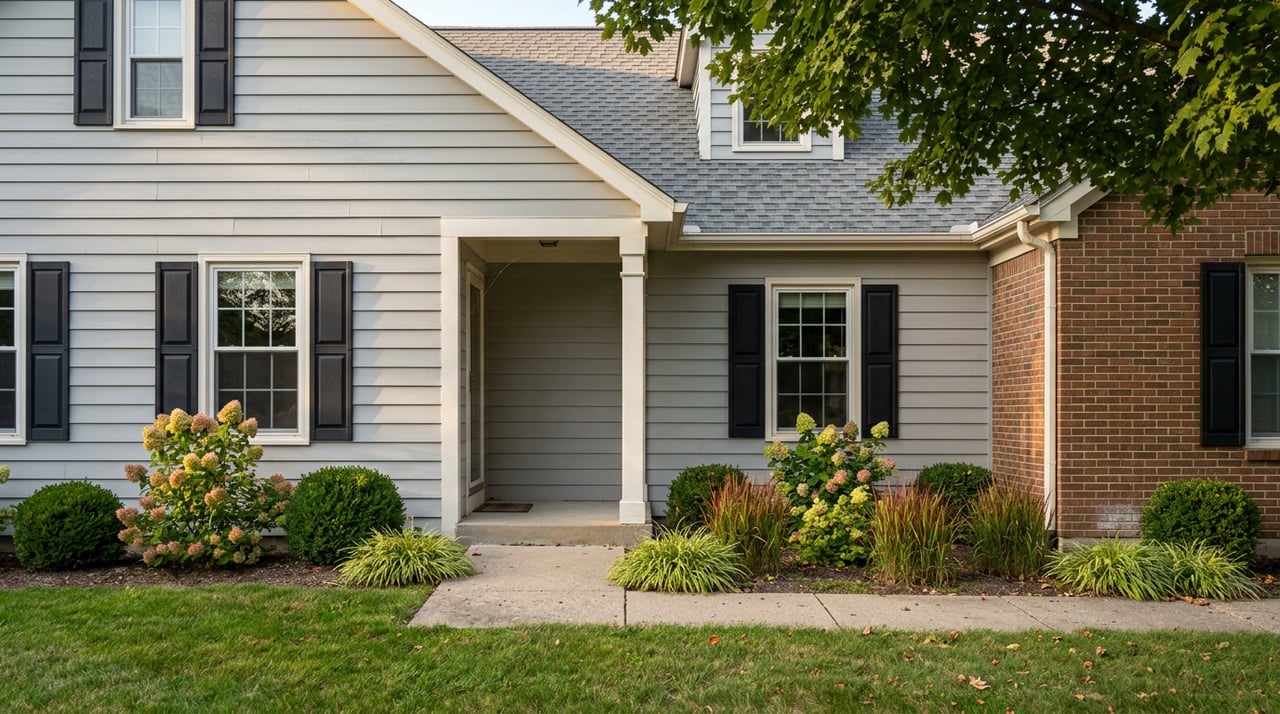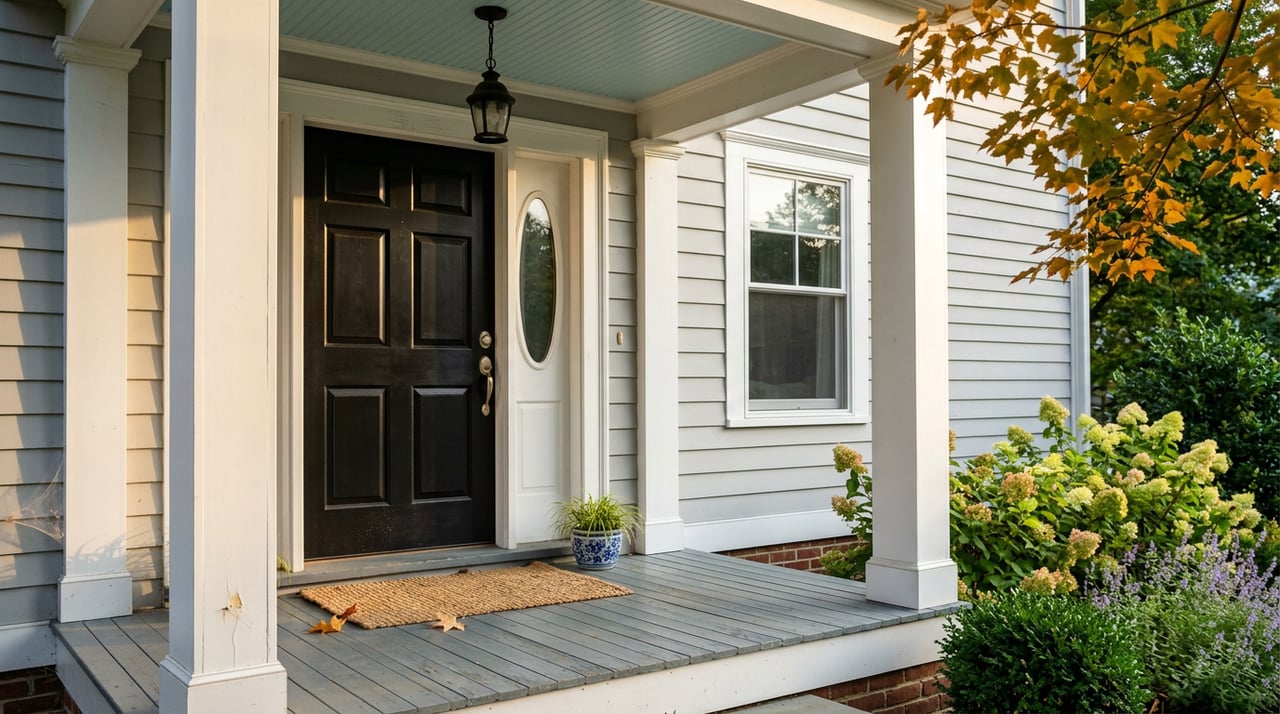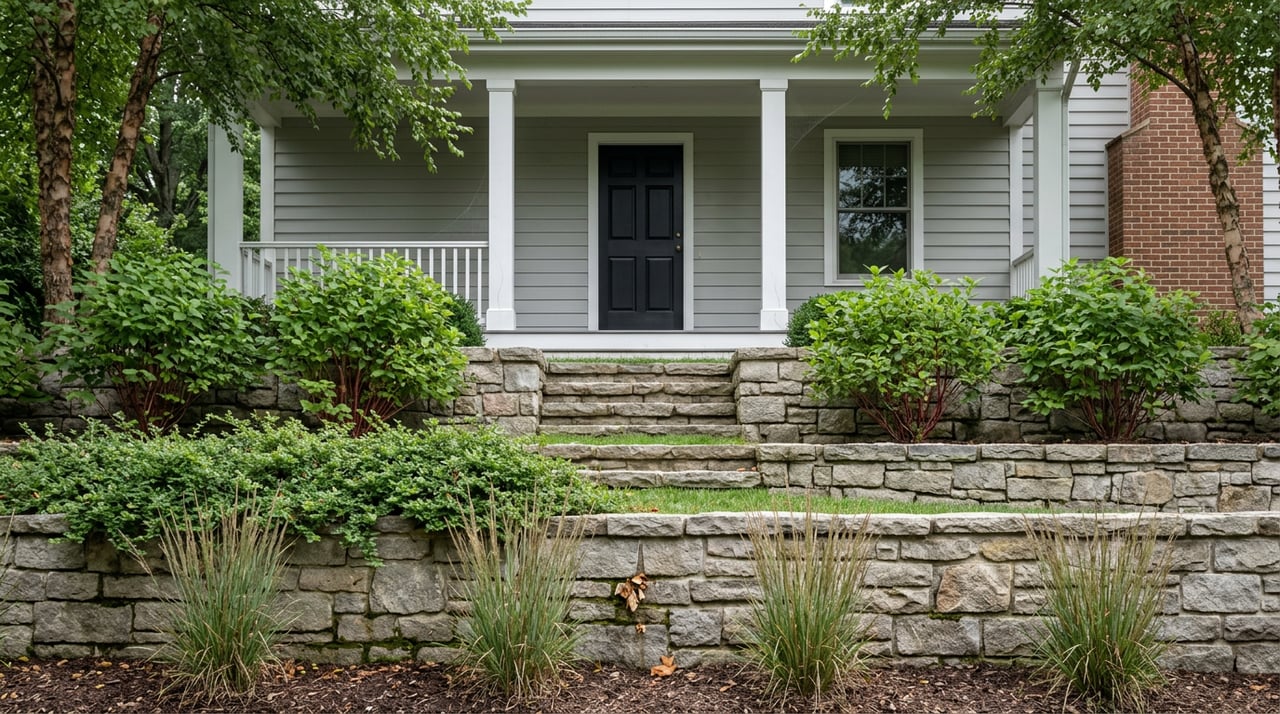
Most people who tour a bluff-top home in St. Joseph picture one risk: the bluff gives way and the house eventually goes with it. That image is dramatic enough that it crowds out the question that actually matters in a transaction.
Michigan's erosion rules do not force anyone to move an existing house off a shrinking bluff. What they do is control every single thing you might want to do to that house from the day you close forward. A covered porch. A septic replacement. A garage. If the parcel carries a High Risk Erosion Area designation from the state, each of those ordinary projects routes through a state permit process, regardless of how far the addition sits from the water. That is the part of the story that does not show up in the listing photos, and it is the part worth understanding before you write an offer or price a listing.
What "high risk" actually means in Berrien County
The state's High Risk Erosion Area program, run by the Department of Environment, Great Lakes, and Energy, designates a stretch of shoreline when the land has been receding at an average of one foot or more per year over a minimum of fifteen years. EGLE arrives at that number by comparing historic and current aerial photographs county by county, not by reacting to a single storm season.
This is not an abstract regulatory category for St. Joseph. During the last major high-water cycle on Lake Michigan, which peaked around 2020, the beach at Tiscornia Park and Lions Park Beach was nearly gone, with rock and pieces of cement visible where sand had been earlier that year. That happened inside city limits, not two towns over. The designation exists because the shoreline it covers has already done the thing the number describes.
The detail that catches most buyers off guard: EGLE's own guidance is direct that owners of homes built before a setback line was drawn do not have to relocate the structure to comply. The state's leverage is not over the house you already own. It is over the next permit application you file.
The list that actually matters before you write an offer
Inside a designated HREA, a permit is required for construction on any portion of the parcel, no matter how far that construction sits from the lakeshore. The activities that trigger this review are ordinary enough that most buyers assume they are formality-free:
- Building a new house
- Adding a garage or an addition to an existing home
- Installing or replacing a septic system
- Building a covered porch
- Constructing a commercial building
None of those require the project to be anywhere near the eroding face of the bluff. A garage set well back from the edge on a deep lot still needs the same state sign-off as a deck built at the bluff line. If your plan for the property includes any of the above, that plan now has a state permitting step built into it that a comparable inland property in Royalton Township simply does not carry.
Two different clocks: the 30-year line and the 60-year line
Once a shoreline is designated, EGLE does not draw one setback line. It calculates two, based on how far the bluff is projected to recede over two different time horizons, and which one applies to your project depends on what you are building.
| Structure category | Setback horizon | What it means in practice |
|---|---|---|
| Readily moveable structures (meet specific engineering and access criteria) | 30-year projected recession | Can sit closer to the erosion hazard line, since the structure could theoretically be relocated before it's lost |
| Large or permanent structures (foundation over 3,500 square feet, septic systems) | 60-year projected recession | Must sit further back, with less flexibility in siting |
Bluffs taller than 25 feet get treated as "high bluffs" under the rule, which can shift the setback math again. So two lots with visually similar shorelines can carry different buildable envelopes depending on bluff height and what category of structure a buyer intends to put on the land. That is not something you can eyeball standing at the top of the stairs looking at the water. It is something you confirm before you finalize a purchase agreement that assumes a certain footprint.
Critical dunes stack a second layer
Some stretches of the Southwest Michigan shoreline carry a separate designation on top of HREA status: critical dune areas. Inside these zones, EGLE review extends well past new construction. Driveways, decks, vegetation removal, and access path grading can all require a permit. A property that falls inside both an HREA and a critical dune boundary is not dealing with one regulatory step. It is dealing with two, and they do not always move on the same timeline.
This is where the gap between what a buyer expects and what a buyer gets tends to open up. Someone touring a bluff home in August, picturing a simple landscaping refresh the following spring, may not realize that clearing brush along a dune slope for a better sightline to the water is itself a permitted activity in these zones.
What it costs when the bluff moves anyway
Erosion control on Lake Michigan is not cheap, and the price tag has two parts that buyers tend to only budget for one of.
Installing a seawall in Michigan typically runs $150 to $450 per linear foot on average, depending on material and how accessible the site is for equipment, according to cost-tracking site HomeGuide. On a 100-foot stretch of frontage, that lands somewhere between $15,000 and $45,000 before anything unusual about the site pushes the number higher. Complex Great Lakes projects, where wave energy or soil conditions demand heavier engineering, can climb past $2,000 per linear foot.
The part people forget to price in is the review, not the rock. Michigan waterfront projects generally require permits from EGLE, the local municipality, and in some cases the Army Corps of Engineers, with permit costs running $500 to $3,000 and a typical processing window of four to twelve weeks. EGLE's own administrative rules commit the department to a decision within 60 days of a complete application, or 20 days if no field investigation is needed. Either way, a stabilization project is a season, not a weekend, and that timeline matters if a buyer is counting on repair work being finished before their first summer in the house.
Why this shows up at the closing table, not before
Michigan's Seller's Disclosure Act requires sellers to disclose known material defects so buyers can make an informed decision about the property's condition. A documented HREA designation, a prior denied permit application, or a known history of bluff movement on the parcel falls squarely into the kind of fact that belongs on that form and in front of an inspector, well before it becomes the buyer's problem to discover on their own.
In practice, this is exactly where deals get complicated. A buyer who loves the view and skips the regulatory questions can end up under contract on a property where their planned addition, replacement septic system, or new deck sits inside a permit process they did not know existed and did not budget time for. Asking about erosion designation status before an offer, not after inspection, is the difference between pricing a property accurately and discovering the real cost of it midway through a renovation plan.
Common Questions
Does every lakefront home in St. Joseph sit inside a High Risk Erosion Area? No. Designation is site specific, based on the measured recession rate for that particular stretch of shoreline. A property a few lots away from a designated parcel may fall outside the boundary entirely. Confirming status for a specific address is worth doing before you write an offer.
If my home already exists inside a newly designated HREA, do I have to bring it into compliance? No. EGLE's guidance is clear that existing structures are not required to relocate to meet a setback line drawn after the home was built. The requirement applies going forward, to new construction, additions, and other permitted activities on the parcel.
How long does the permit process actually take once erosion designation is confirmed? EGLE's own rules commit to a decision within 60 days of a complete application, and within 20 days if no site visit is required. Separate marine contractor work, like installing a seawall or revetment, typically adds another four to twelve weeks once that portion is scheduled.
If you are weighing an offer on a bluff-top or shoreline property in St. Joseph, or you own one and are trying to figure out how its designation affects both its market value and its disclosure paperwork, this is exactly the kind of local detail that belongs in the conversation before you sign anything. The Jason Stroud Team works these transactions across St. Joseph and Royalton Township regularly and can help you confirm what a specific parcel's status actually means for your plans. If you're on the selling side, start with a Get a Free Home Valuation so erosion designation and beach access are already factored into the number you bring to market.