Comparing Michiana submarkets for your next small multi-unit buy? If you want steady rental demand with more approachable entry pricing, Niles 49120 belongs on your shortlist. Whether you are local or out of state, you need clear rent benchmarks, zoning basics, and a conservative underwriting path to make smart offers. In this overview, you will get practical steps, local documents to pull, and starter assumptions that fit Niles’ small multifamily landscape. Let’s dive in.
Why Niles 49120 for small multis
Niles sits in Berrien County within the Niles–Benton Harbor metro. The area blends manufacturing, healthcare, retail, and education, which supports a broad renter base. For economic pulse checks, you can review metro employment snapshots in the Bureau of Labor Statistics releases for the Niles–Benton Harbor MSA. The latest metro reports are a helpful way to gauge cyclical risk and hiring trends across the region. You can start with the BLS metro employment release for the area to frame your view of the labor market context. BLS metro releases offer timely snapshots.
On rents, you should triangulate data points. Zillow’s ZIP-level index shows the 49120 average asking rent at about $1,148 in a January 2026 snapshot. Treat that as a directional indicator and confirm with current listings. For conservative underwriting or voucher screening, use HUD’s Small Area Fair Market Rents for Berrien County, where the FY2025 two-bedroom benchmark generally falls near the 40th percentile in the roughly $1,000 to $1,200 range. HUD’s FMR and SAFMR datasets provide the official program numbers you can download.
Bottom line for strategy: Niles is a secondary market with modest rent levels and ties to regional employers and South Bend or Elkhart commuters. Upside can be more limited than primary metros, but entry pricing and cap rate expectations are often more favorable. If you buy well and operate with discipline, you can target durable yield over flashy growth.
Property types and where to look
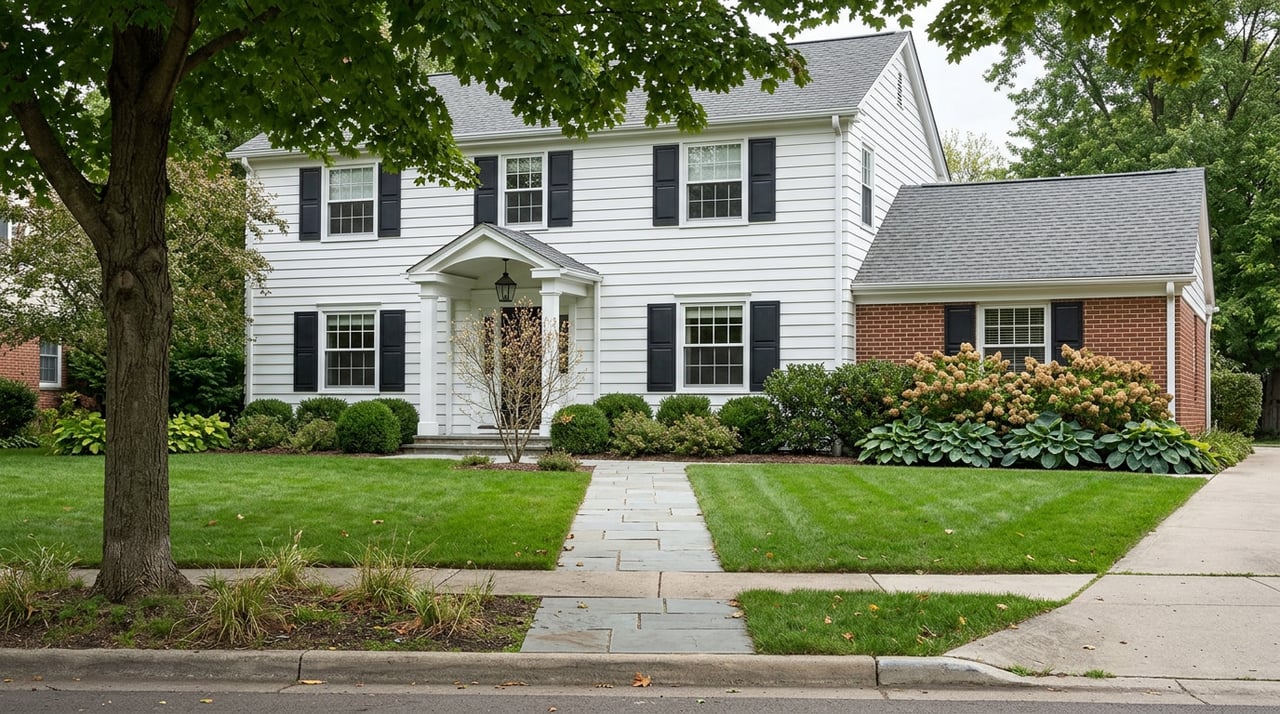
Niles offers the classic small-city mix of older housing stock and compact downtown corridors. You will commonly find:
- Converted single-family houses turned into duplexes.
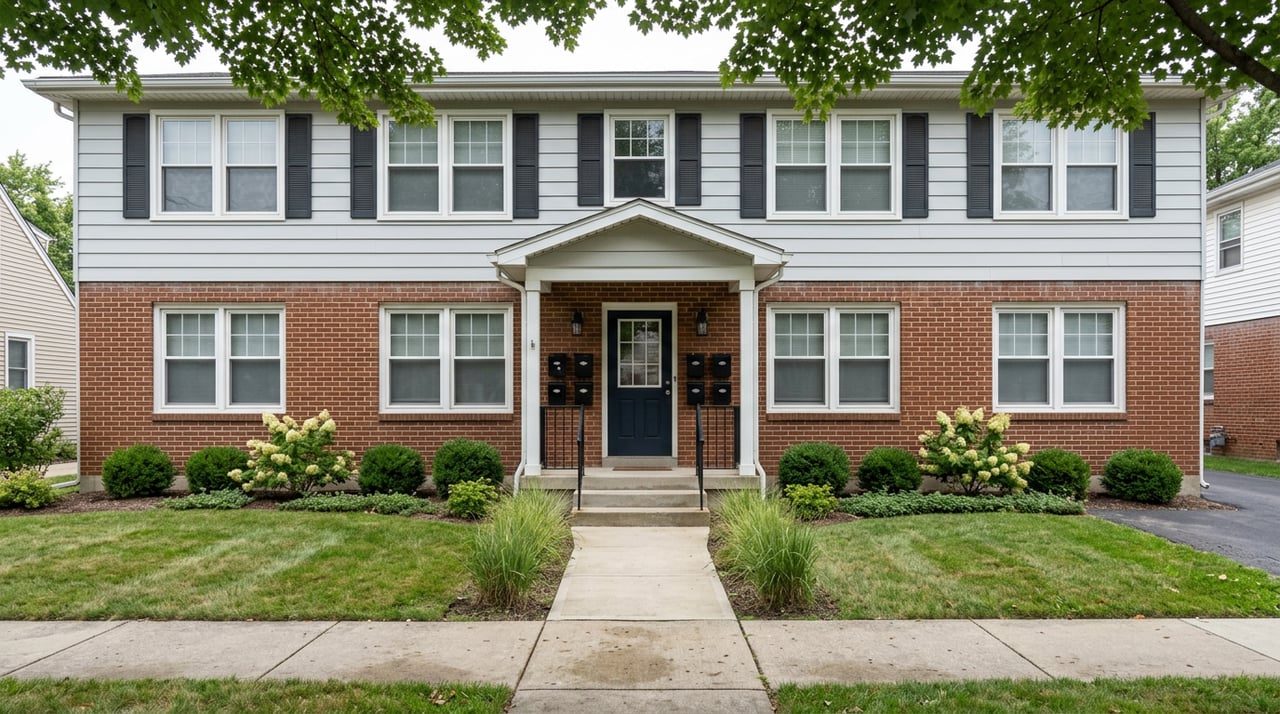
- Purpose-built duplexes, triplexes, and fourplexes on residential blocks, often early 20th century wood frame.
- Small walk-up apartment buildings in the 6 to 20 unit range near downtown or transit routes.
- Mixed-use buildings with commercial space on the ground floor and apartments above, especially in and around downtown and the Third Street area.
For a planning-level view of where these forms fit and where redevelopment is encouraged, review the city’s planning documents. The City of Niles Master Plan outlines neighborhood character and priority corridors that can influence your sourcing and renovation strategy.
Zoning basics and overlays
Before you write an offer, verify zoning and overlays. The City of Niles zoning ordinance defines where and how multifamily uses are permitted, along with parking, height, and density controls. Some corridors also carry overlay standards that shape site design and approvals.
Key steps for zoning diligence:
- Pull the Official Zoning Map and confirm the parcel’s district. Identify whether multifamily is allowed by right or by special land use. Start with the City of Niles Zoning Ordinance.
- Check the site standards that matter to operations, including minimum lot size, density limits, height, and off-street parking.
- If your target is along US‑12, review the corridor rules in the 11th Street Overlay. Overlay districts can add design or approval steps.
- Ask planning staff to confirm any legally nonconforming unit counts or prior approvals if the building was converted decades ago.
A short zoning email from the city can save months of surprises. Do this early, especially if you plan unit changes or site work.
Rent, vacancy, and quick comps
When you underwrite in a smaller market, lean on public benchmarks to frame your pro forma, then tighten with live listing checks and closed-sale comps.
- Rents: Cross-check ZIP-level asking rent trends with your own scan of active listings. Complement that with HUD’s FY FMR and SAFMR tables for conservative benchmarks by bedroom size.
- Vacancy: Small markets can show more turnover noise, so start with a vacancy and collection loss of 6 to 8 percent. That aligns with conservative program guidance used for small or rehab assets. You can source these standards in the Indiana Housing program documents, which many underwriters use as conservative floors. See the IHCDA underwriting guide for reference.
- Sales comps: Pull 12 to 24 months of closed 2 to 4 unit sales to establish price per unit and implied cap rates. If you do not have MLS access, county resources are a next-best starting point. The county maintains public information that can help your diligence path. See Berrien County’s public resources page as a jumping-off point for county data. Berrien County public information.
This approach gives you a floor, a trend line, and local truth from closed deals.
Underwriting steps and conservative assumptions
Use a simple, consistent framework so you can compare opportunities across submarkets.
Gross Potential Rent. Sum market rents for each unit. Start with HUD-anchored floors, then adjust to current asking levels when your listing checks support it.
Vacancy and credit loss. Budget 6 to 8 percent as a conservative starting point. If you can document tight lease-ups and strong retention in a specific building, you may justify a small reduction. The IHCDA guide provides program-style ranges that keep you from over-leveraging.
Other income. Include laundry, storage, parking, pet fees, and utility bill-backs if applicable. Confirm with the rent roll and actual lease terms.
Effective Gross Income. EGI equals GPR minus vacancy plus other income.
Operating expenses. Line-item taxes, insurance, owner-paid utilities, repairs and maintenance, turnover, management, admin, legal, and marketing. Older wood-frame buildings can mean higher insurance and repair costs, so ask for quotes early.
Replacement reserves and CapEx. Budget annual reserves on a per-unit basis. A conservative starting point is $250 to $400 per unit per year for typical small multifamily, with older assets modeled higher. This matches guidance used by housing programs and municipal underwriters. See the IHCDA guide for reference ranges.
Property management. Even if you self-manage, include a management line so lenders and partners can size debt and returns consistently. A 5 to 8 percent of EGI range is a practical starting model in small portfolios, with full-service third-party often at the upper end. Again, the IHCDA guide shows typical program floors and expectations.
NOI and valuation. Calculate stabilized NOI, then run cap rate and DSCR sensitivity. For small 2 to 4 unit assets in secondary markets, cap rates typically show a spread versus primary metros. Anchor your exit and pricing views in recent local comps, not national aggregations.
Pro tip: Keep a single underwriting template you can use across Niles, Buchanan, and Saint Joseph. That way, you can compare apples to apples as you chase deal flow.
Operations, taxes, and local considerations
Taxes. Property taxes can swing with reassessment and voter-approved millages. Berrien County sets annual rates that determine summer and winter bills, and these spreads affect your net. When you budget taxes for year one and forward years, confirm the property’s current assessed value and model a post-sale adjustment. For context on county rates, review recent coverage of tax spreads. See the news on Berrien County 2025 tax rates.
Insurance and utilities. Many small multis in Niles are older wood frame, which can increase insurance premiums. Ask for quotes early, and if systems or roofs are near end of life, model higher reserves and near-term CapEx. If units are separately metered, your owner-paid utilities will be lower. Get utility bills during diligence to confirm.
Leasing and management. Local management is essential if you are not nearby. Full-service fees commonly sit around the high single digits as a share of EGI, with lease-up fees in addition. Budget for make-ready and leasing costs each turn, then adjust as your team builds processes and vendor relationships.
Tenant programs. If you plan to accept Housing Choice Vouchers, use HUD’s Small Area FMRs for the correct payment standards and confirm the local PHA’s process and inspections. You can access the latest HUD FMR resources to align your rent setting with program rules.
Next steps and your data checklist
Move from interest to a disciplined offer with a short checklist.
- Pull HUD FY FMR and SAFMR numbers for Berrien County by bedroom size. Use these figures as conservative rent floors and for any voucher strategy. Download HUD FMRs.
- Cross-check asking rents in ZIP 49120 with a live scan of active listings. Compare to your HUD floors and your unit mix.
- Gather 12 to 24 months of closed 2 to 4 unit sales to benchmark price per unit and implied cap rates. If you do not have MLS access, start with county public data and engage a local broker for comp packages. Berrien County public information hub is a helpful starting point.
- Collect the seller’s rent roll, trailing 12-month P&L, and utility bills. Underwrite with vacancy at 6 to 8 percent, management at 5 to 8 percent of EGI, and reserves at $250 to $400 per unit per year. See the IHCDA underwriting guide for conservative ranges.
- Confirm the property’s zoning district and any overlays. If you plan unit changes or exterior work, request written confirmation from planning. Start with the City of Niles Zoning Ordinance and the 11th Street Overlay.
Work with a local advisor
Small multis in Niles reward careful underwriting, local zoning checks, and hands-on management planning. If you want a broker who knows Berrien County submarkets, understands multi-unit underwriting, and can help you source and evaluate 2 to 20 unit opportunities, we are here to help. Reach out to the Jason Stroud Team to discuss your target returns and get live comps and listings that fit.
FAQs
What rents are typical in Niles 49120 small multifamily?
- Zillow’s ZIP-level index showed about $1,148 for 49120 in a January 2026 snapshot, and HUD’s FY2025 Small Area FMRs place two-bedroom benchmarks near $1,000 to $1,200. Always confirm with current listings and unit-level comps. Check HUD FMRs.
How much vacancy should I budget for a Niles duplex or fourplex?
- A conservative range is 6 to 8 percent for vacancy and collection loss in small-market multifamily, then adjust based on actual lease-up history. See program-style guidance in the IHCDA underwriting guide.
Does Niles zoning allow me to convert a house into more units?
- It depends on the parcel’s district and overlays. Some areas permit multifamily by right while others require special land use. Confirm with the City of Niles Zoning Ordinance and request written clarification from planning if you plan a conversion.
Where can I verify local economic and employment trends for Niles?
- Use the Bureau of Labor Statistics metro releases for the Niles–Benton Harbor MSA to track employment trends that support rental demand. Review the BLS metro release.
How should I estimate Berrien County property taxes in my pro forma?
- Check the current assessed value and model post-sale adjustments, then apply the latest county millage spreads. For context on rate changes, see recent coverage of Berrien County 2025 tax rates.